Empowering Women, Transforming Lives, Building Futures
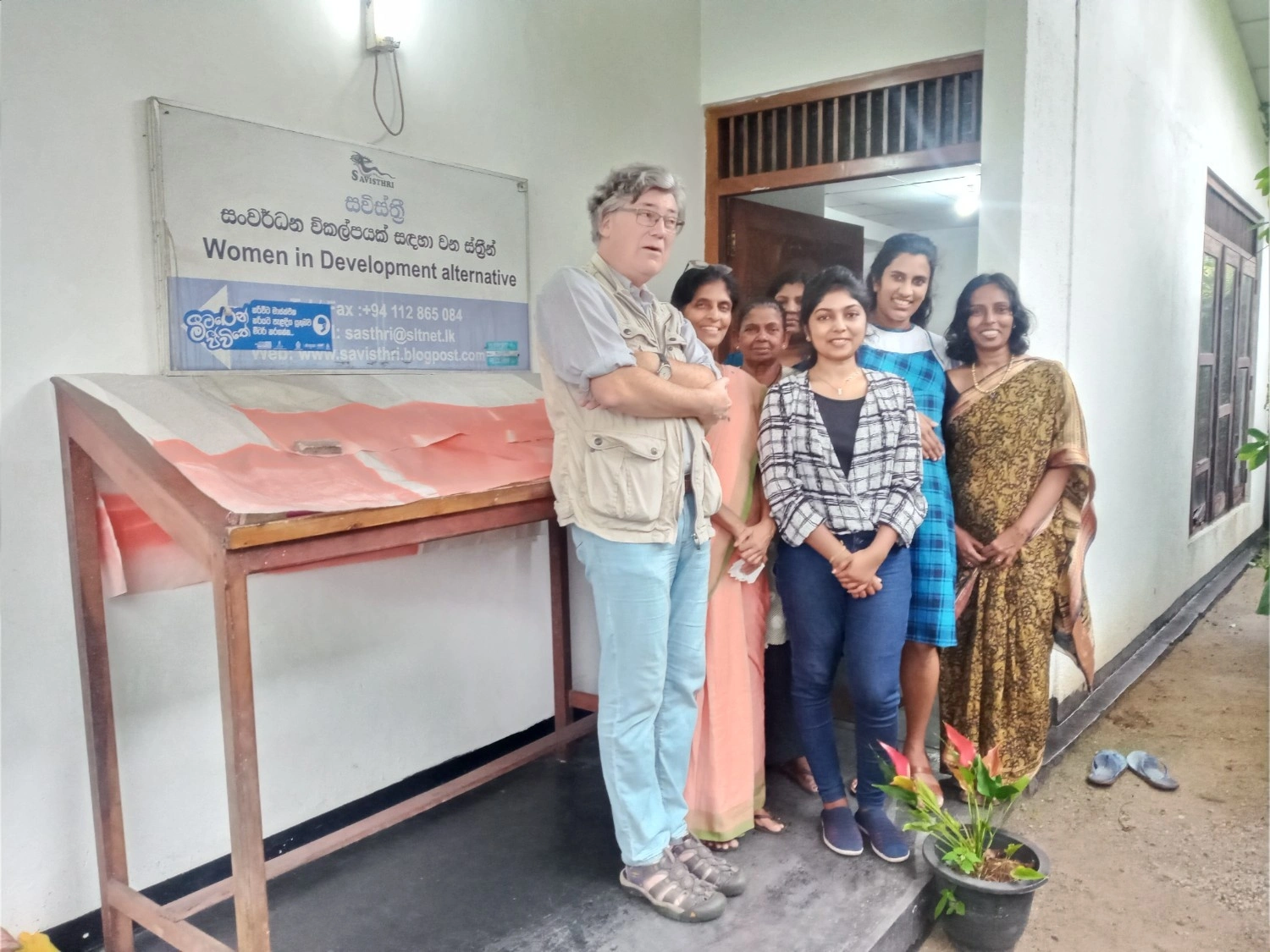
Founded in 1994, Savisthri was formed by a group of individuals previously affiliated with another organization. Despite facing numerous challenges, we laid a strong foundation with the goal of making a meaningful impact in society. On April 9th, 2001, we officially parted ways with our former affiliation and emerged as an independent, self-governed entity.
Savisthri is registered as a Voluntary Social Services/Non-Governmental Organization (NGO) under the National Secretariat for Non-Governmental Organizations in Sri Lanka (Registration Number: L44701). We are committed to working in collaboration with sister organizations to achieve shared goals. Our focus is on empowering individuals across various sectors including farming, fishing, plantation labor, and more as we strive to build a more just and equitable society for all.
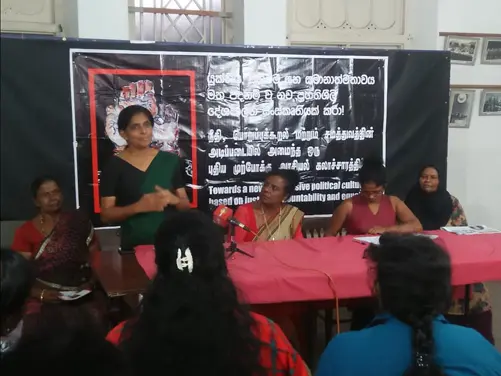
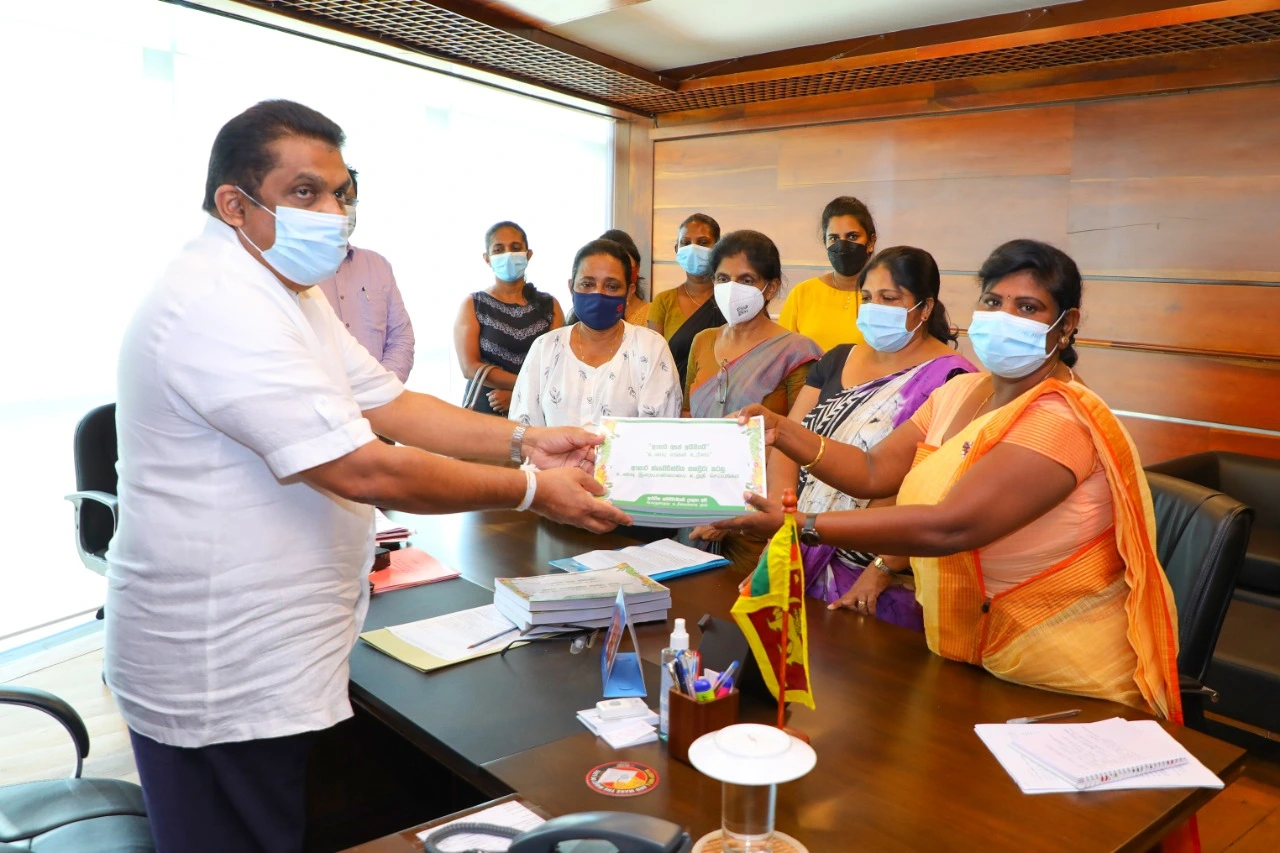
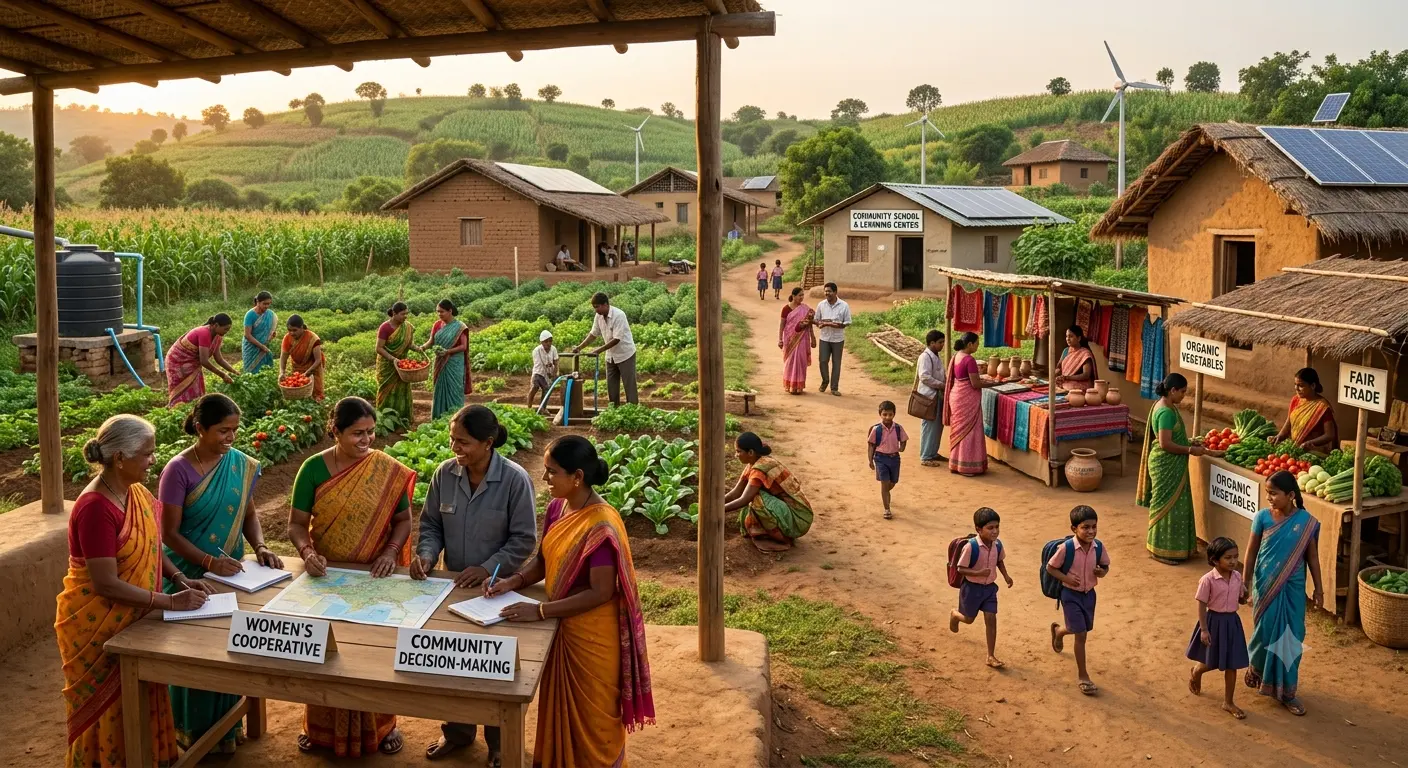
Savisthri’s members include marginalized women from the farming, fishing, and plantation sectors. The organization facilitates their empowerment, enabling them to contribute productively toward improving their own lives. Savisthri focuses on women- and family-centered social development, working to secure stronger social, economic, and political footing for improved living conditions.
The smallest groups serve as the foundational units of the Savisthri Network. As these groups build their capacity, they are merged into mini-societies at the village level. These mini-societies, in turn, are organized into a district-level network known as the District Women’s Collective (DWC).
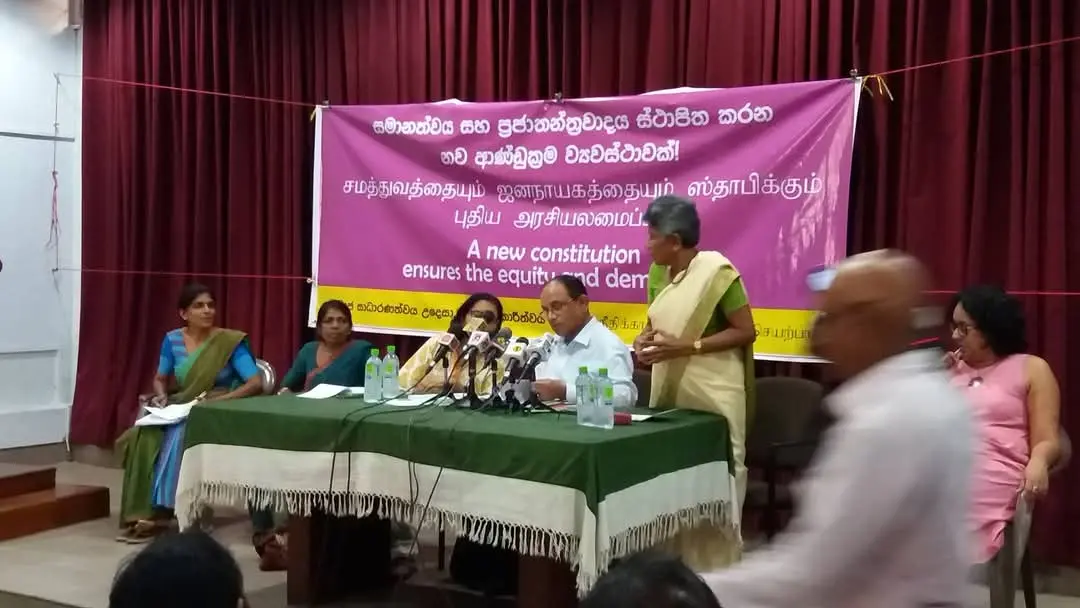
Our Vision
To build a sustainable and inclusive society that protects the rights of all ethnicities and promotes gender equality at every level.
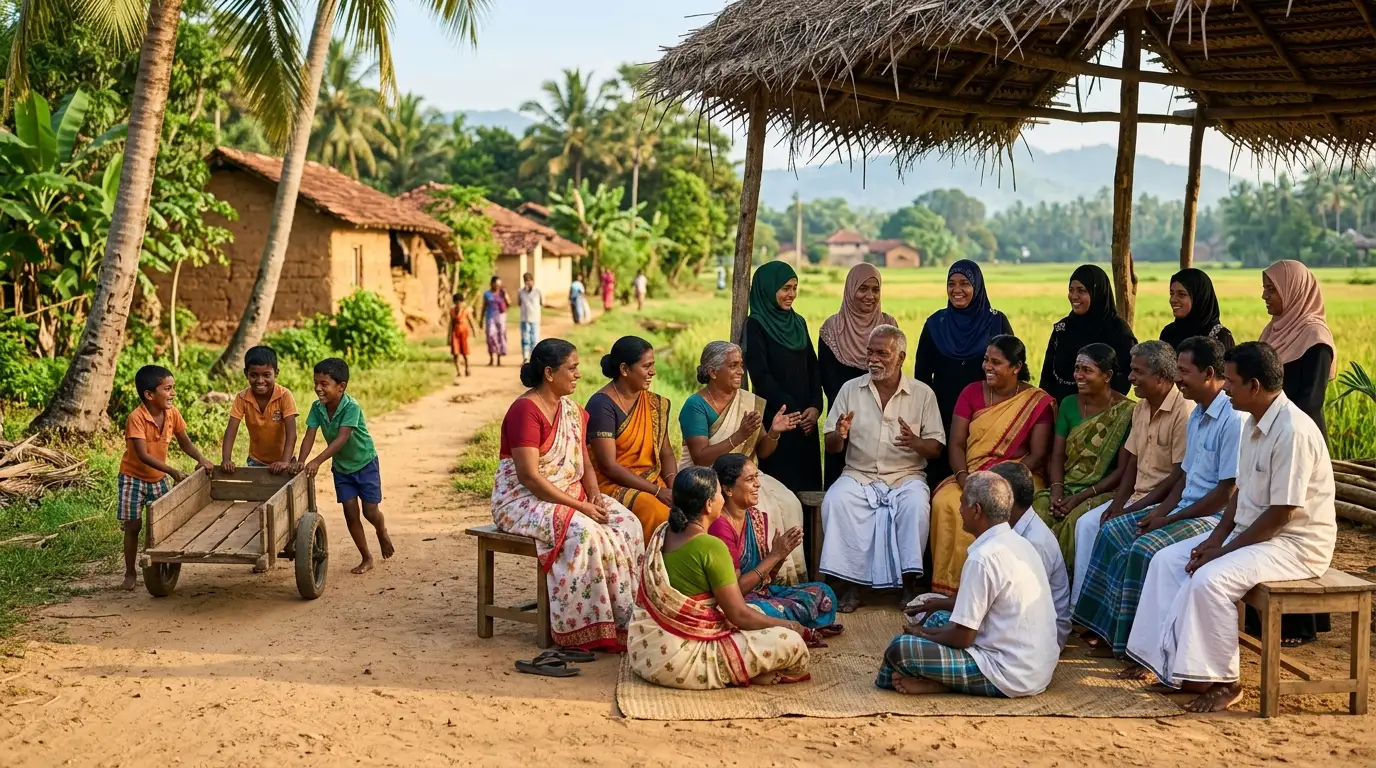
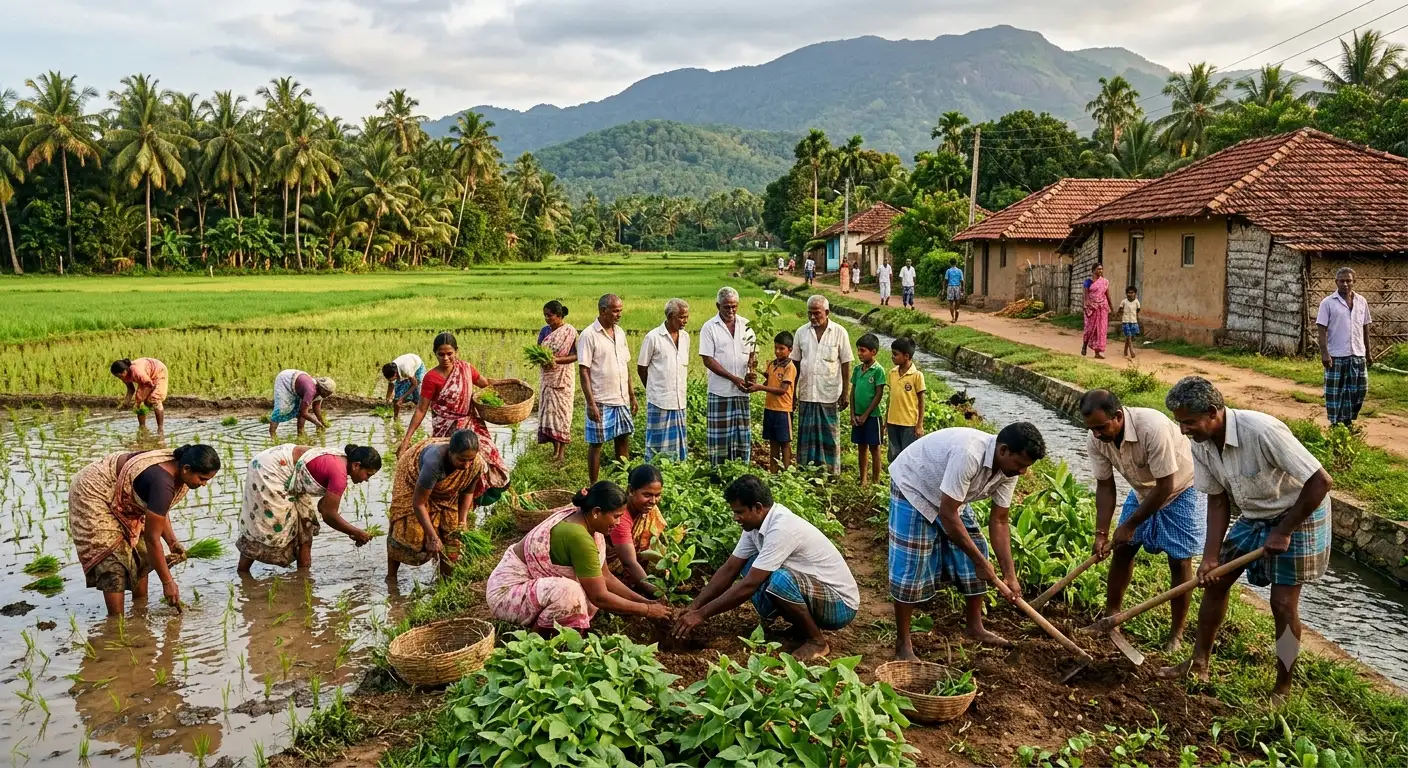
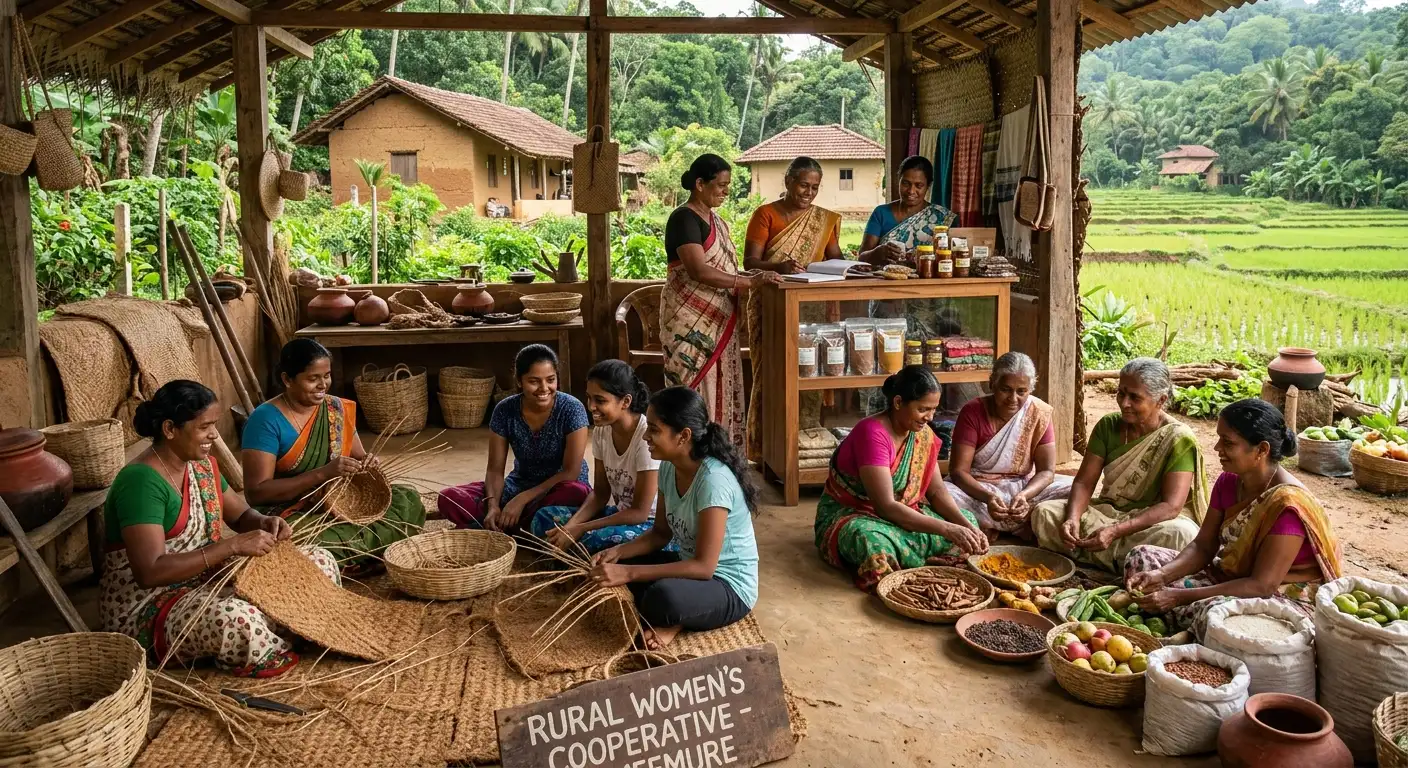
Our Mission
To form a powerful women’s movement that leads sustainable development by strengthening and valuing local systems.
Our Strategy